
The Last Typesetter
When the container dissolves, the craft that was inside it is set free.

It is 1895. A stoker named Leon shovels coal into a factory furnace in Birmingham, feeding the fire that drives the engine that powers the loom. He has done this twelve hours a day, six days a week. The engine becomes more efficient, and one furnace does the work of ten. Energy becomes more important than ever.
Leon had a choice.
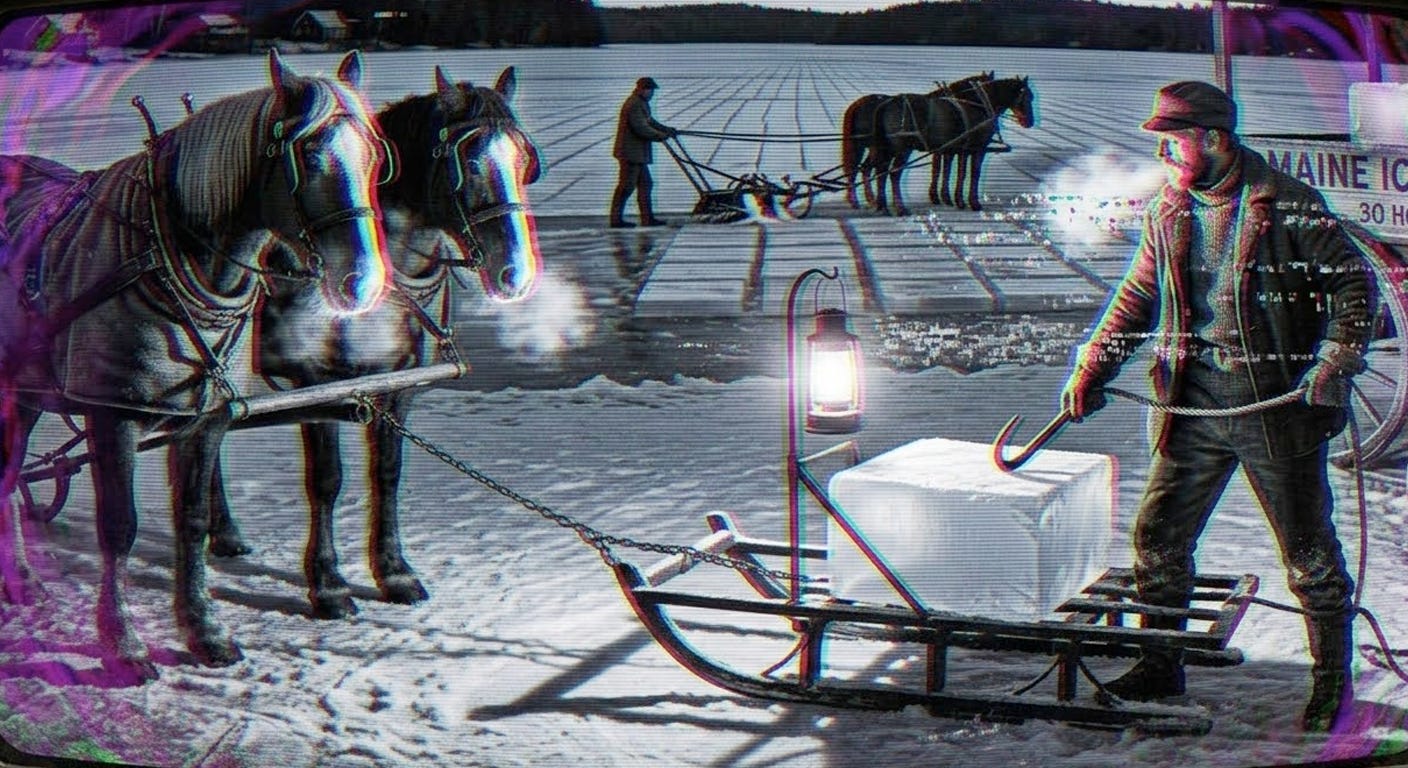
It is 1910. An iceman named Frederic pulls blocks from a frozen lake in Maine before dawn, loads them onto a horse-drawn cart, and delivers cold to thirty households by noon. He has done this since he was fourteen. In 1927, General Electric ships the Monitor Top, the first refrigerator for the home. Suddenly, every kitchen can make its own cold. Preservation becomes more important than ever.
Frederic had a choice.
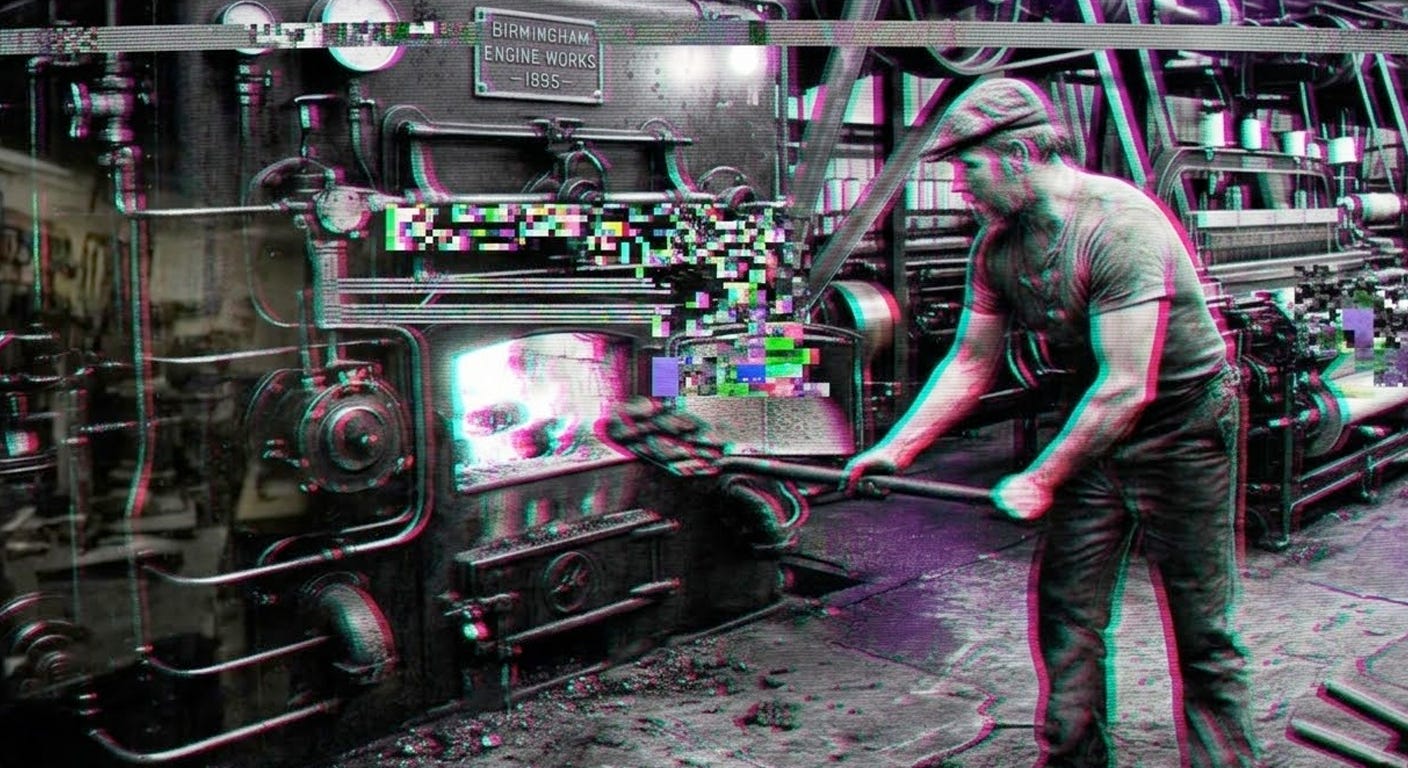
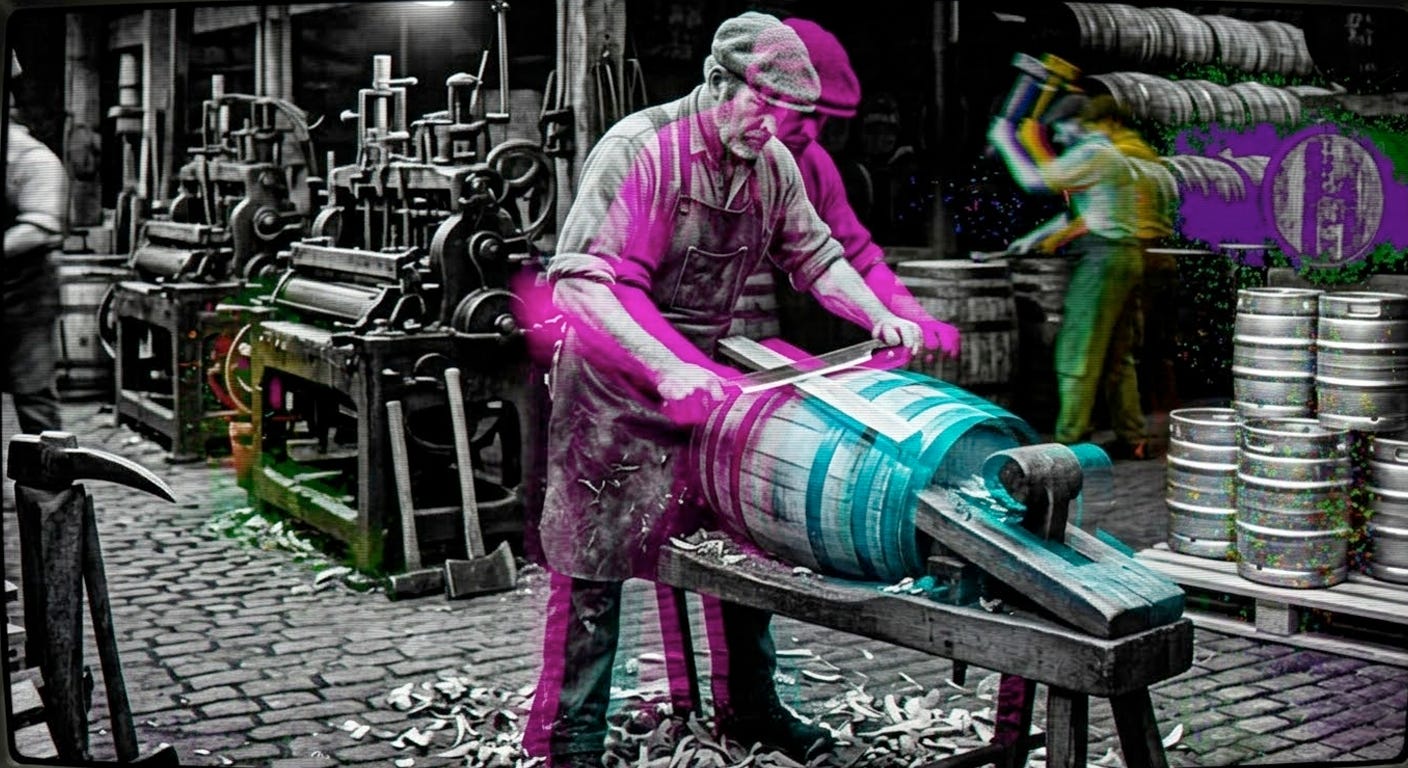
It is 1955. A cooper named Seán shapes oak staves into barrels in the cooperage at Guinness Brewery, St. James’s Gate, Dublin. He learned the trade from his father, who learned it from his. The brewery begins switching to metal kegs. The transition takes forty years. Beer still needs containers.
Seán had a choice.
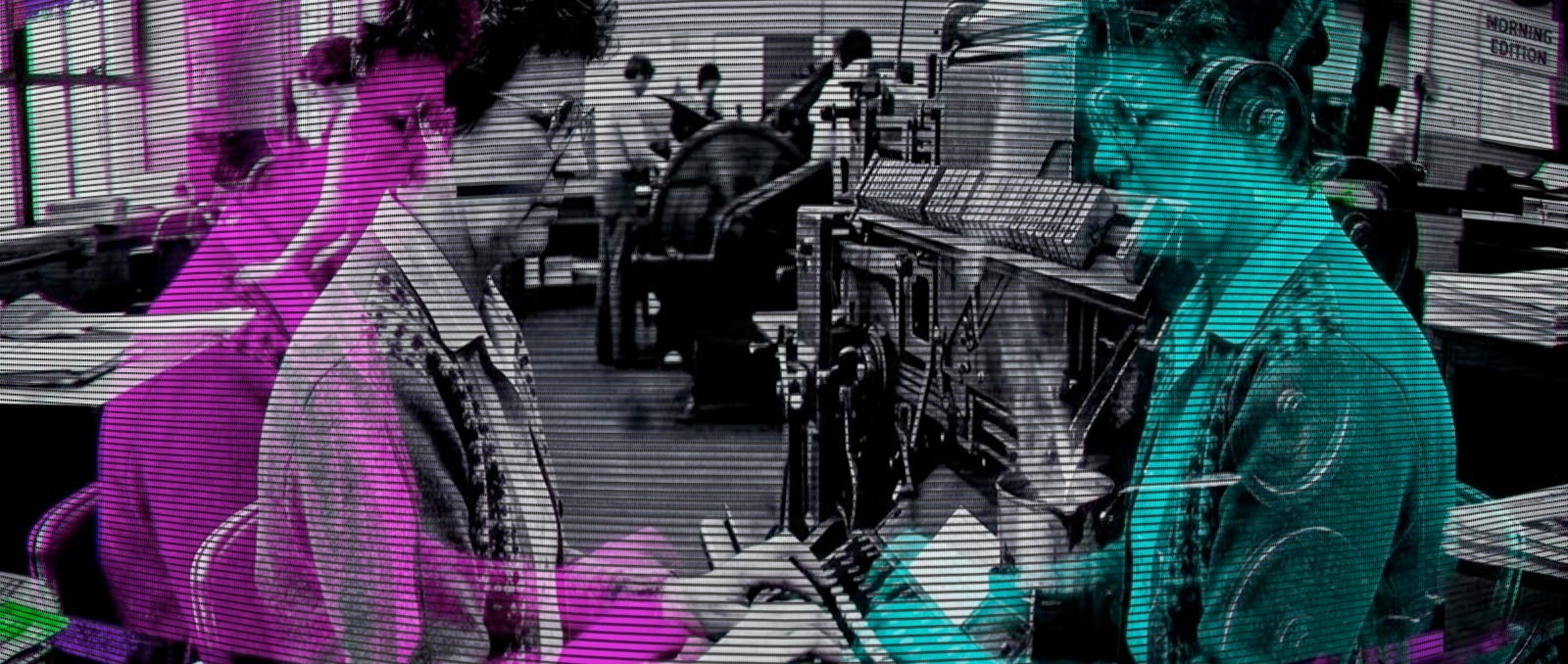
It is 1982. A typesetter named Margaret sits at a Linotype machine in a print shop in Chicago, setting the morning edition letter by letter in hot lead. She has done this for nineteen years. She understands kerning the way a surgeon understands sutures. In 1985, Aldus ships PageMaker. Suddenly, anyone with a Macintosh can set type. Typography becomes more important than ever.
Margaret had a choice.
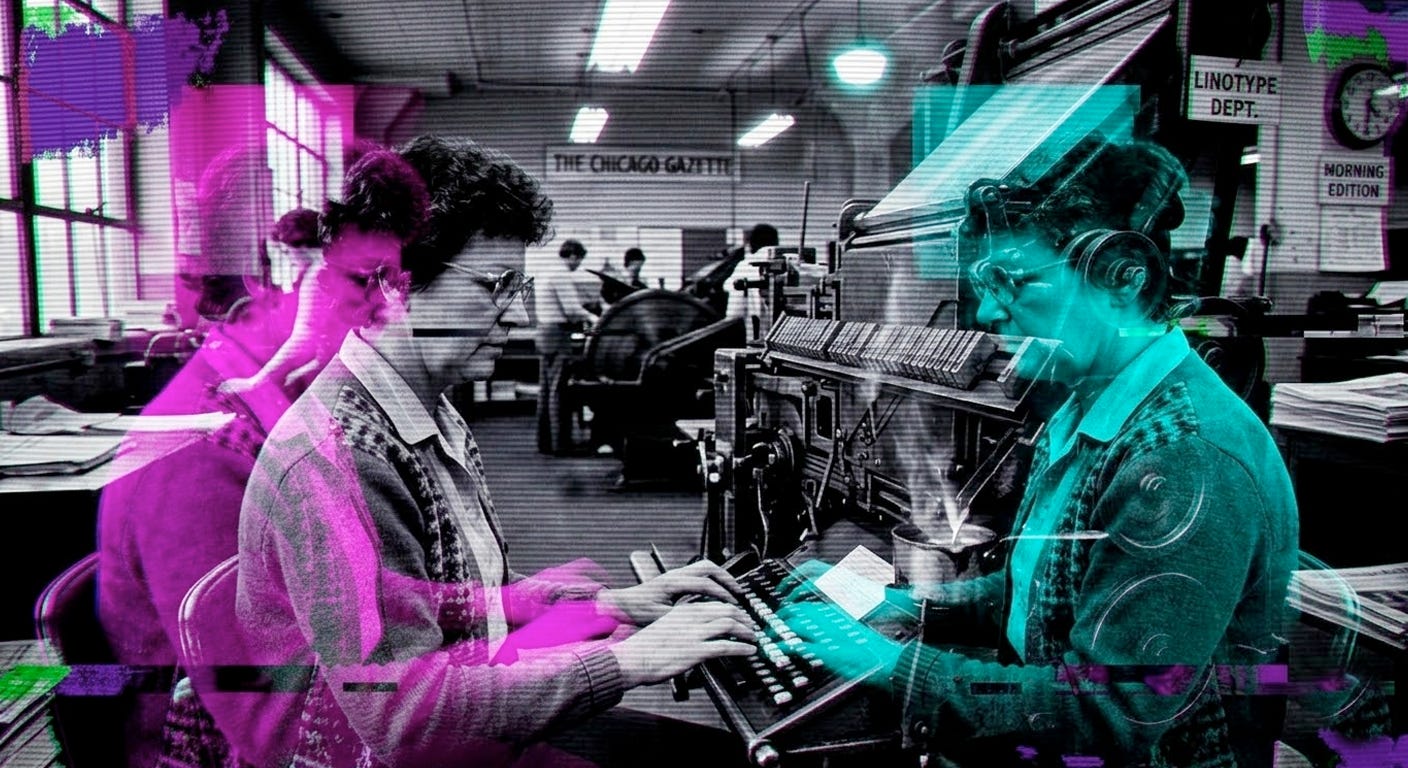
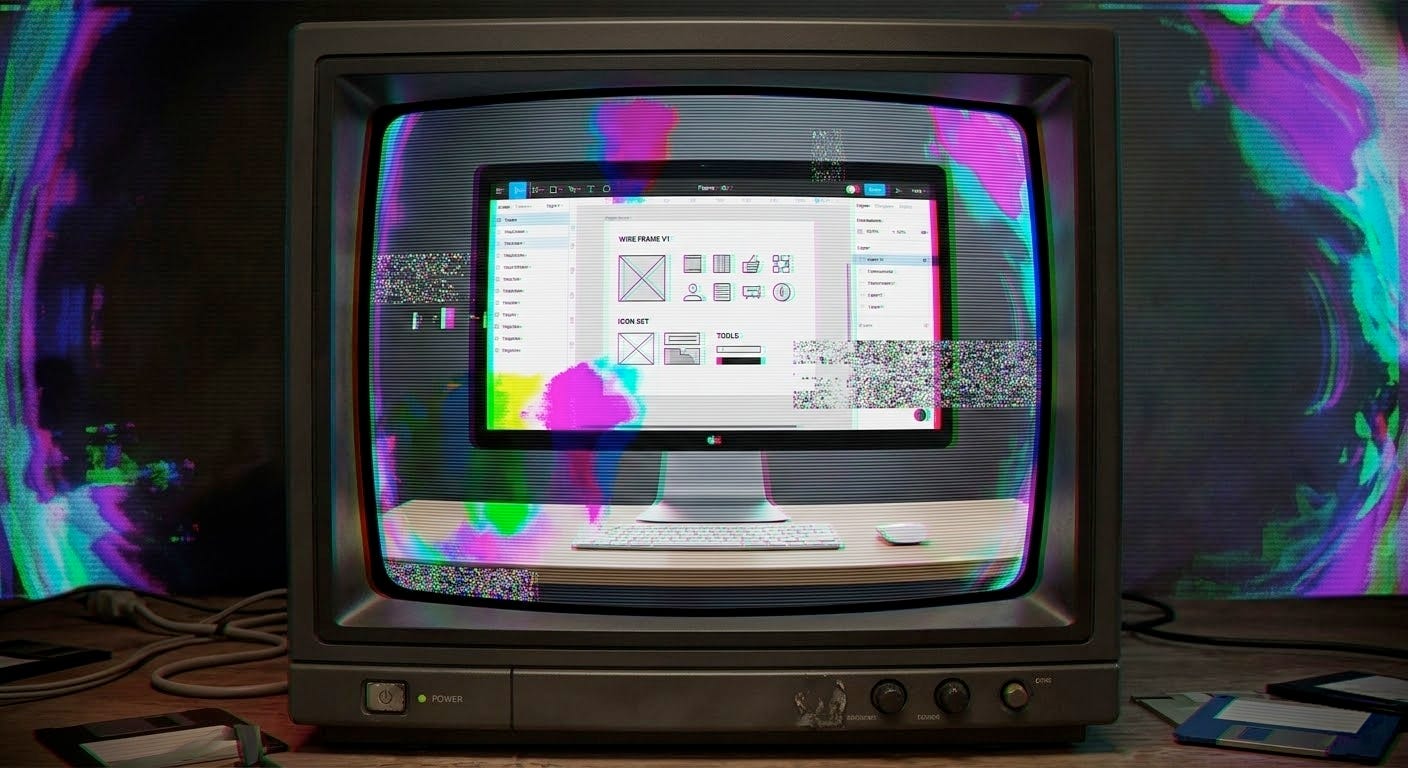
It is 2026. You open Figma. You create a component, document its states, export it to a handoff spec, and file a ticket for a developer to build what you already designed. You have done this for eleven years. AI arrives, and the translation layer between your intent and the artifact collapses. Design thinking becomes more important than ever.
You have a choice.
Oh Mary this London's a wonderful sight
In 1983, typesetting was a career. Union-protected, multi-year apprenticeship, skilled trade. The typesetter understood things about text that the journalist and the editor could not. The subtle art of making language visible: how letter spacing affects reading speed, how column width changes comprehension, how the weight of a headline pulls the eye before a single word registers. Real craft. Hard-won knowledge.
Then Aldus shipped PageMaker in 1985. Overnight, the craft of typesetting became artisan, and there was no math that would ever make it make business-sense again.
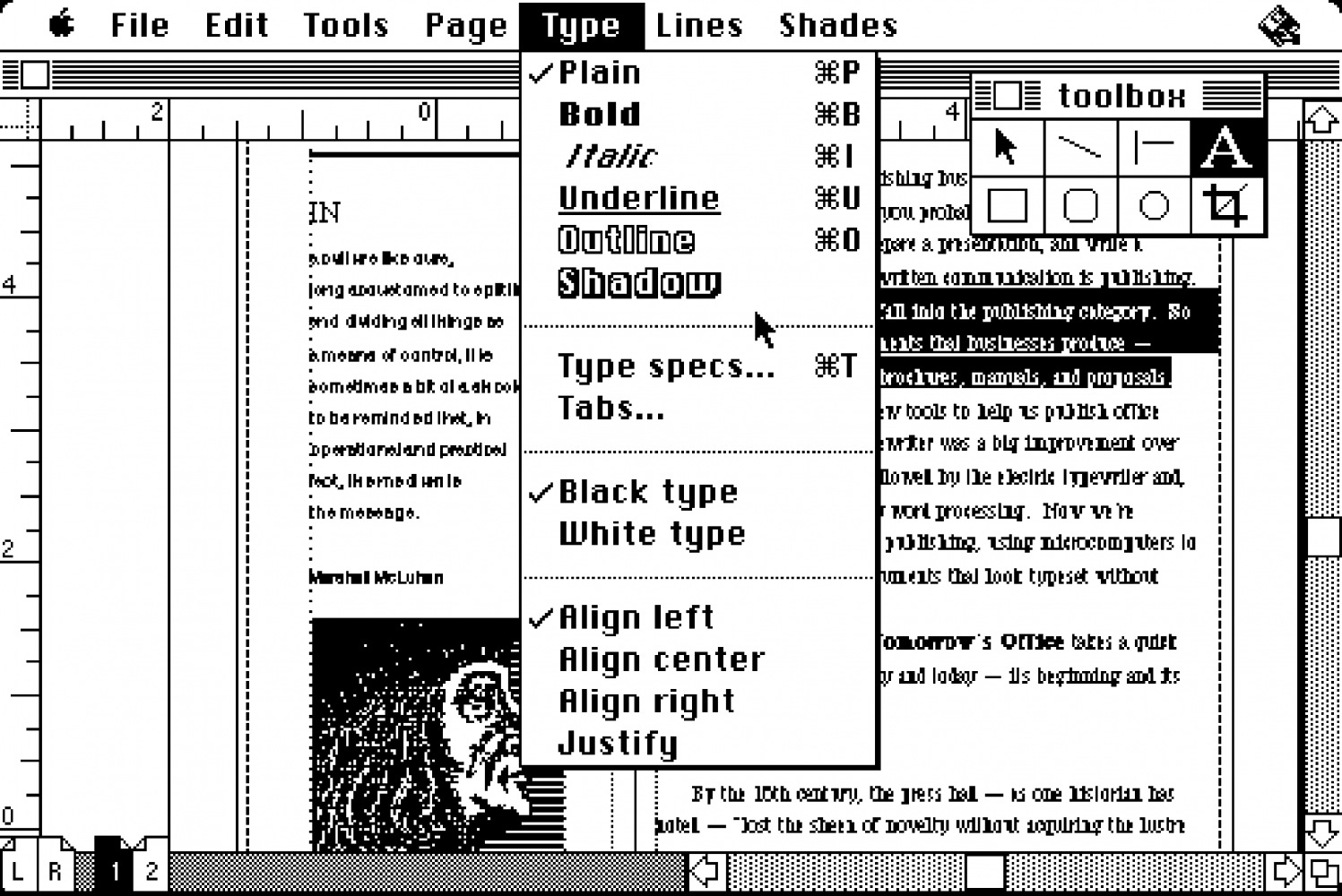
But, the higher-order skill of “the vision of how a page’s message is rendered” did not become irrelevant, just the hot lead part did.
If anything, that higher-order skill became more critical. When suddenly everyone could set type, the difference between good typography and bad typography went from an industry concern to a public epidemic. Bad kerning everywhere. Rivers running through justified text. Orphaned words dangling at the tops of columns like socks left on a clothesline. The people who understood typography were needed more than ever.
But not as typesetters.
A Good Craftsperson Never Blames Their Tools
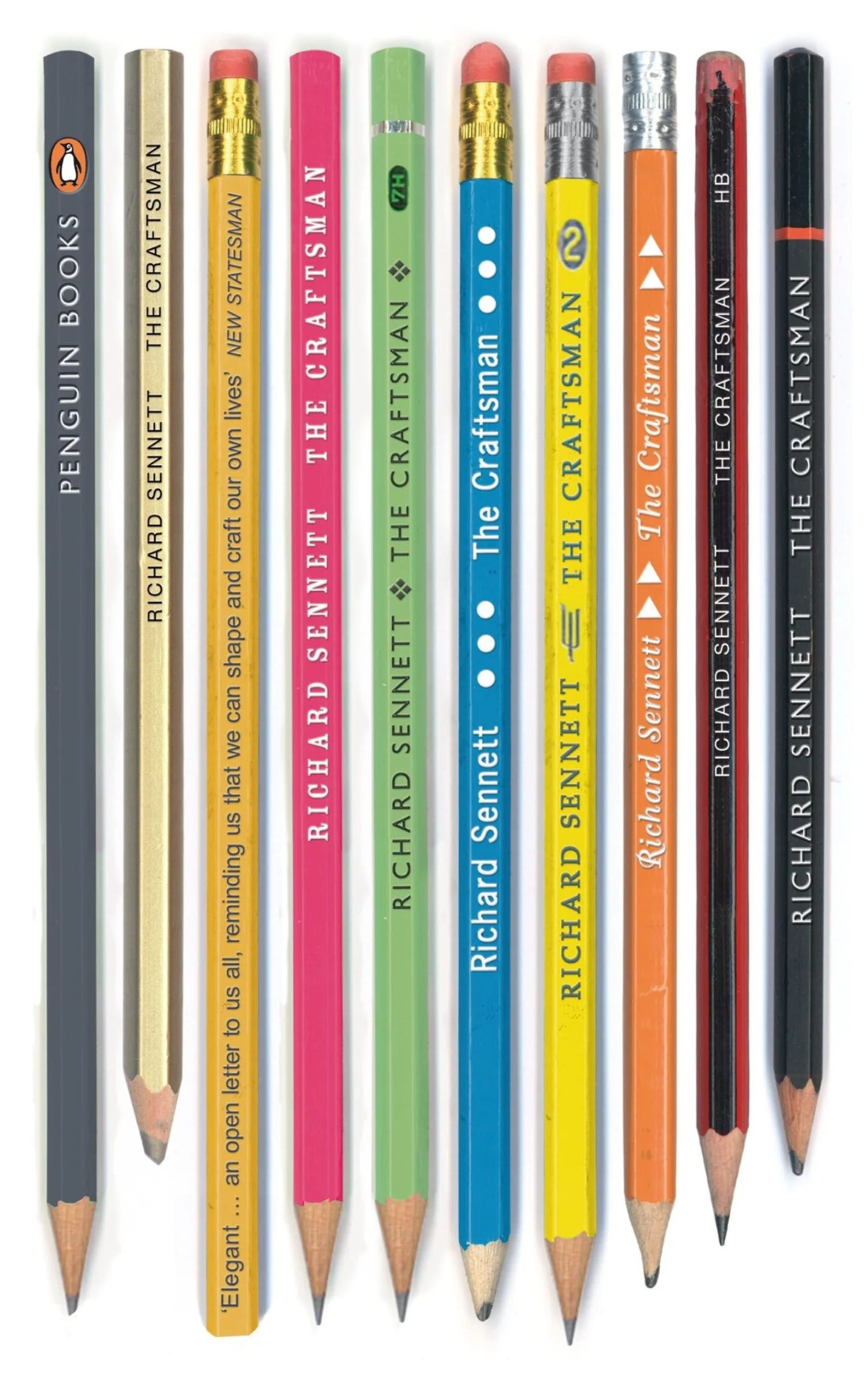
Richard Sennett wrote about this in The Craftsman: the difference between a skill and the institutional container built around that skill. Containers look permanent until they are not. The skill outlives every container it has ever occupied.
Even me, the author herself, was once christened by the Intuit’s chief architect as the “CSS Czaress” for the entire company, which at the time in 2018 had a market cap of 50 billion dollars and about 6 billion in revenue. And I was the CSS Czaress for a brief time for the QuickBooks Online ecosystem.
Today? There’s almost zero ROI for having a human being sit and fiddle with CSS, and yet, the skills that made me the CSS Czaress are more critical than ever, even if the role is dissolved.
The typesetter’s craft knowledge migrated in three directions. Designers absorbed it. Journalists absorbed some of it. Authors, suddenly setting their own manuscripts in their living rooms, absorbed the rest. And the full-time typesetter, the person whose entire job was translating someone else’s words into printable layouts, dissolved. Not overnight. Over about a decade. But completely.
That is going to happen with product, UX, and visual design as a role. Not as a skill.
Designers Are Essential. The Role Is Not.
The conventional wisdom: designers are essential to product teams. They bring user empathy, visual craft, systematic thinking, and a human-centered lens that engineering alone cannot provide.
This is true. I believe it completely. I have spent my entire working adult life building a career on it.
But the question nobody wants to ask is whether the full-time role, as currently scoped, generates enough work to justify its existence when the translation layer collapses. Not the skill. Not the craft. Not the perspective. The role. The 40-hour-a-week, dedicated-to-this-team, full-time position called “Visual Designer” or “UX Designer” or “Product Designer.” Like a bloated, inflated code monolith, it must be decomposed.
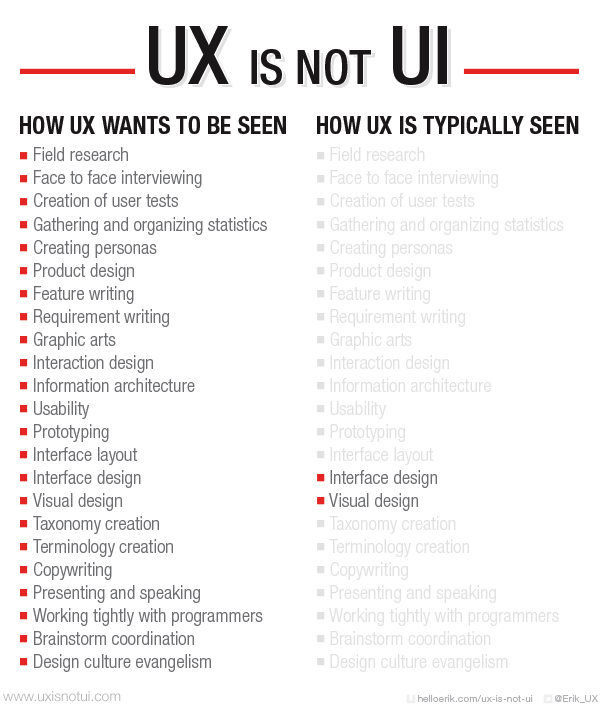
The design industry has conflated two things that are not the same: the craft and the container. When someone says “we need designers,” they usually mean “we need design thinking, user research, information architecture, interaction design, visual quality, and accessibility expertise.” And they are right. They do. These skill are how we recognize what it takes to close the concept to customer loop and make sure what we build is hitting the mark of the people we serve. AI can write code that executes design thinking, but does not do design thinking, we do. So that isn’t what is in question.
What is in question is whether they need a full-time human dedicated exclusively to executing those things inside a parallel artifact system. Because that is what the role actually is, in most organizations. And the parallel artifact system is collapsing.
The General Electric factory that assembled the Monitor Top did not need an iceman. But what if that iceman had pivoted their skills now to applying them on the quality and effectiveness of electrified refrigeration?
We Will Become Silhouettes
The typesetter did not disappear. That is the framing people get wrong every single time a role dissolves. The typesetter dissolved and reconstituted itself as the desktop publisher, the graphic artist, the digital designer. No, you cannot turn smoke and ash back into wood, but those atoms do not go away, they become something else.
The craft knowledge (typography, layout, hierarchy, the deep relationship between form and meaning) survived completely. It is still essential. It is arguably more essential now than it was in 1983, because more people are making typographic decisions every day than at any point in human history. Every email, every slide deck, every social media post is a typographic act. Most of them are terrible. The skill of the typesetter, the intangibles, the higher-order expertise, is critical because we produce more “typesetting” in a day in 2026 than we did in a year in 1983.
But the full-time dedicated role did not survive. The skill migrated. It dissolved into adjacent functions where it added value as part of a broader practice, not as a standalone specialty.
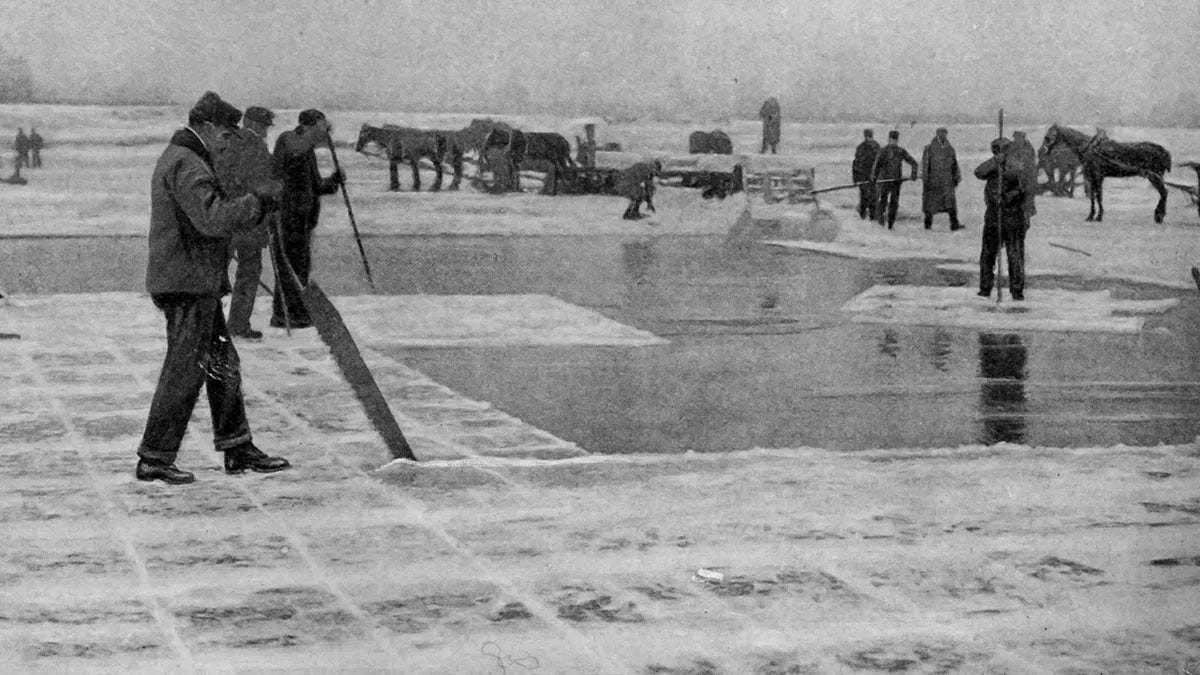
This pattern repeats across every industry that has ever automated a translation layer. Before mechanical refrigeration, Frederic Tudor built a global empire around harvesting natural ice from New England lakes, insulating it in sawdust, and shipping it as far as Calcutta. An entire supply chain: harvesters, transporters, storehouse operators, delivery drivers. The need for cold did not disappear when the refrigerator arrived. The need for a full-time human dedicated to providing it did. That transition took thirty years. It was not gentle.
Before electronic computing, NASA employed rooms full of people (often women, as documented in Hidden Figures) whose entire job was performing calculations by hand. Mathematical precision did not become irrelevant when the machines arrived. It became more important. But the full-time human calculator dissolved into the engineering roles that now used computers as tools.
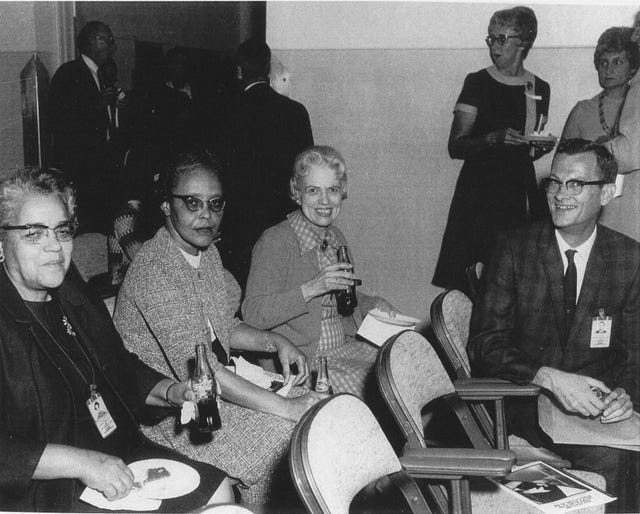
Last I checked, NASA still had a lot of people doing a lot of math.
The function persists. The full-time dedicated role does not. The skill dissolves into tools, into adjacent roles, or into quality oversight.
Every. Single. Time. And like Seán the cooper, it is terrifying every. Single. Time.
There Will Not Be Enough Work
In a business that has adopted what I call Zero Vector, where the translation layer between design intent and production artifact has collapsed, a designer’s weekly workload transforms:
There is no Figma-to-code handoff to manage. No redlines, no specs, no “here is the mockup, please match it.” The handoff was the translation. When you build in the medium itself, the translation disappears.
There is no design system to maintain as a separate artifact. The code is the design system. You do not maintain a Figma library and a code library and a bridge between them. You maintain one source of truth, and it is the one that actually ships.
There is no pixel-polishing sprint work where you adjust padding and color values in a prototype that someone else will interpret (and inevitably misinterpret). The person making the decision is making the artifact.
And there is no design QA pass where you compare the deployed product against the mockup and file tickets for every pixel that drifted. There is no mockup to compare against. The intent and the output are the same thing.
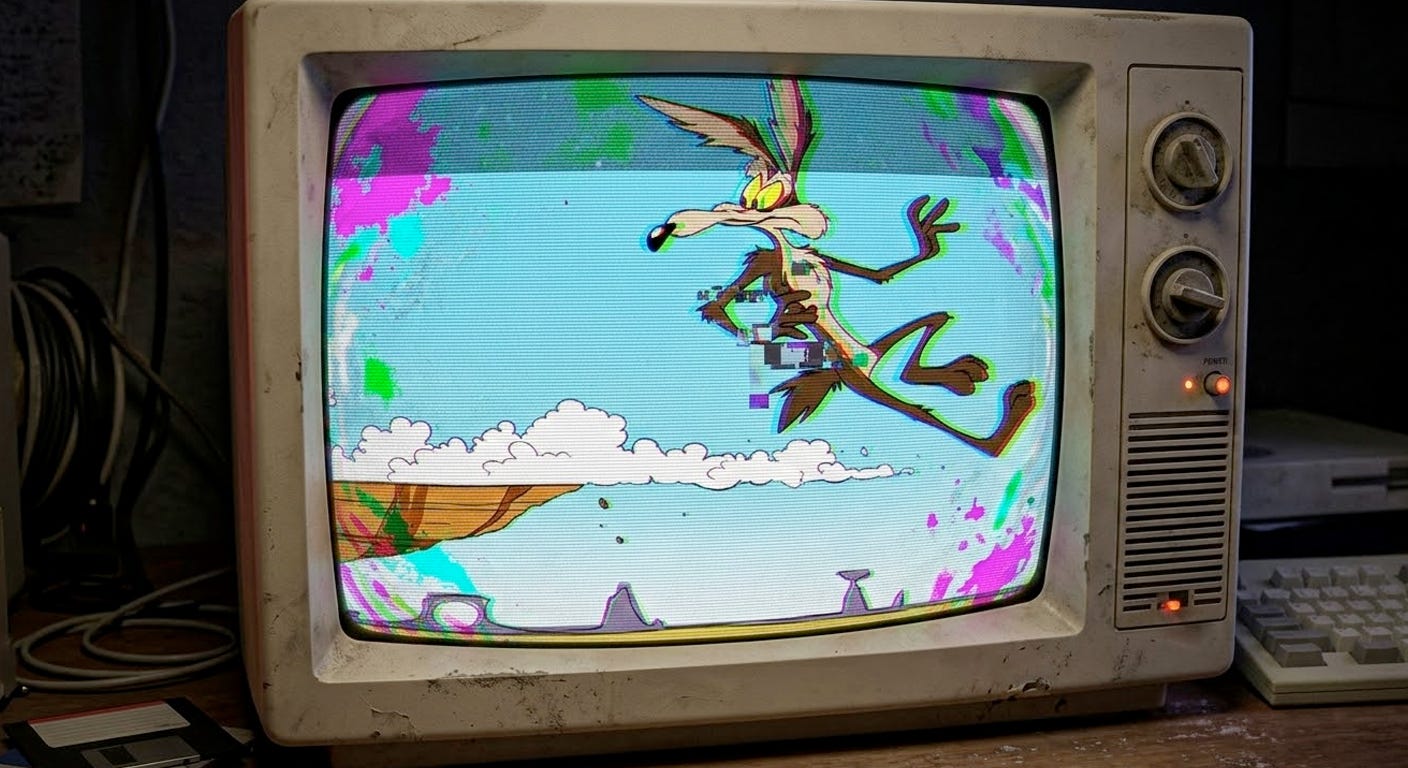
Watching designers defend the specific use of a specific tool like Figma as being essential hurts. It is no different than the iceman defending the specific saw used to cut the ice instead of the importance of cooling food for preservation. Instead of focusing on how to apply their skill to electric refrigeration, they are fixated on the saw. And if one’s training is on how to do the role and not the higher-order skill, then yes, like the iceman, you are sawing the ice beneath your own feet and you will fall through like so many cartoon coyotes who ran off the side of a cliff and only fell when they looked down.
The research, the strategy, the information architecture, the interaction design thinking: those are still essential. I cannot say this strongly enough. But be honest about what percentage of a typical “Product Designer” job description those activities actually occupy. For most roles, if you remove translation, handoff management, library maintenance, design QA, and pixel-level execution from the weekly workload, what remains does not fill 40 hours.
That is not an insult. It is arithmetic. With the advent of the alarm clock, there was no stick long enough to save the knocker-uppers.
But who would I be if I didn’t provide paths forward? So where does the skill go? It goes where it has always gone when a container breaks. It migrates. And there are three directions.
Upstream Path: The Systems Auteur
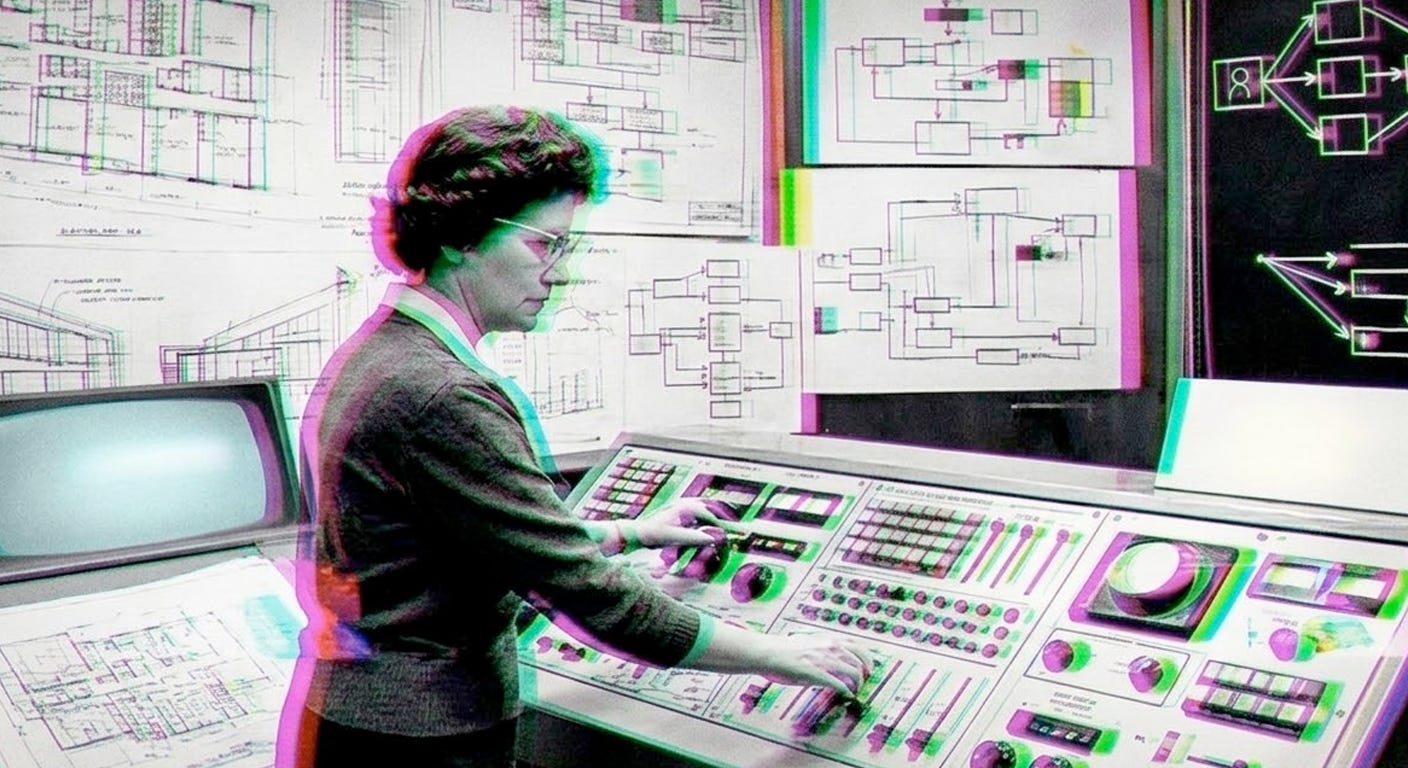
The first path is upstream. Your design thinking dissolves into product strategy, engineering architecture, and business decisions. You stop being “the designer on the team” and become the person whose understanding of users, systems, and quality shapes everything the team builds. Not just the visual layer. Everything.
What you actually do: you write the agent briefs that encode user needs, accessibility requirements, and interaction patterns directly into the build process. You define the product architecture (information architecture, navigation, user flows) that agents build against. You run the research that informs every decision, and instead of handing insights to a team and hoping they get implemented faithfully, you act on them directly. You become the person who holds the full product vision from concept to customer.
This is not “learning to code.” This is recognizing that the boundary between design and product strategy was always artificial, maintained by the translation layer that separated intent from artifact. When the layer collapses, the boundary goes with it, and the person who understands users, systems, and craft becomes the most valuable person in the room (not because they can push pixels, but because they can see the whole system).
How to start now: learn to write structured agent prompts that encode design intent. Layout priorities, accessibility constraints, interaction behaviors. Study information architecture and systems thinking, the parts of design that were always upstream of pixels. Start building prototypes with AI agents instead of in Figma, not to become an engineer but to close the gap between what you intend and what gets built.
Sideways Path: The Design Encoder
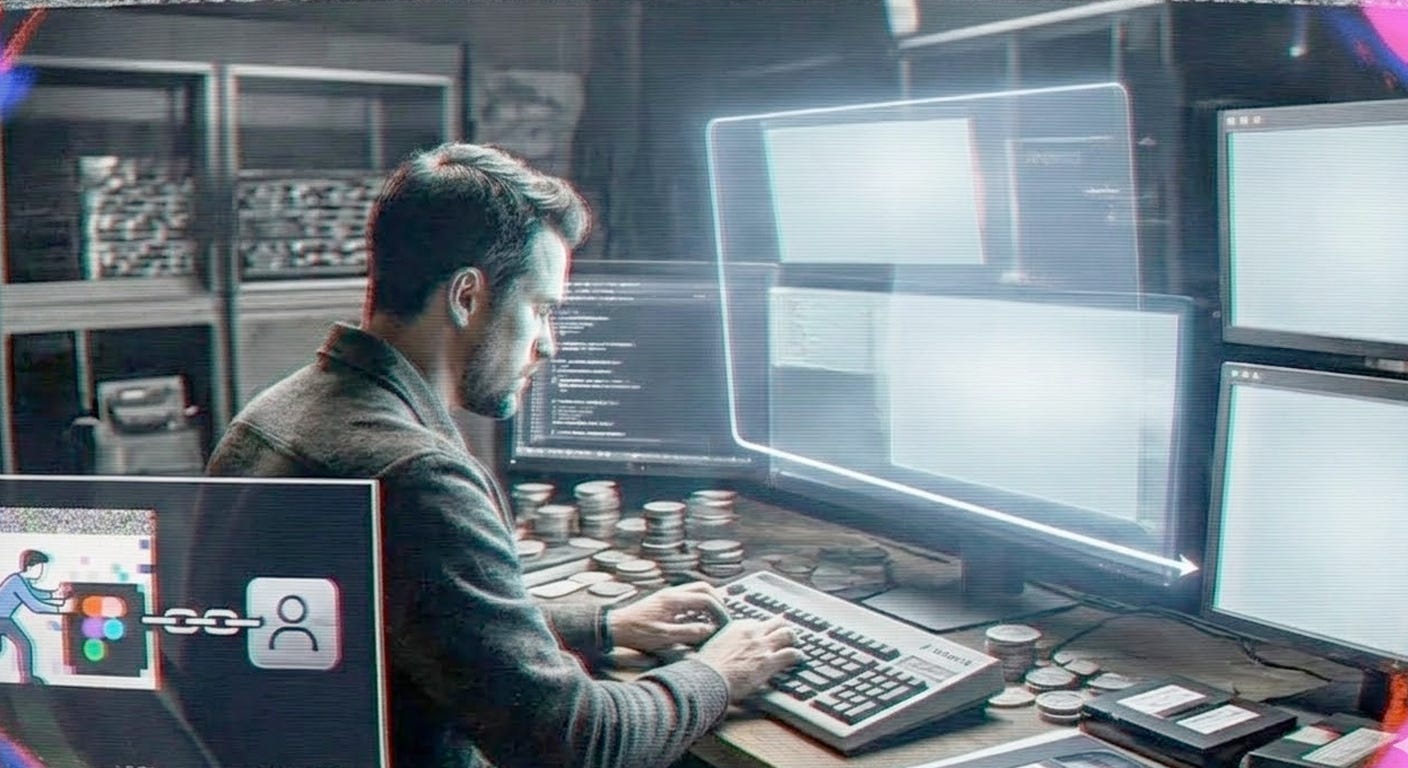
The second path is sideways. Your craft knowledge becomes the rules, constraints, and patterns that AI agents consume. You stop making the artifact and start making the system that makes the artifact.
Think of it this way. Right now, when you design a button, you make the button. You choose the color, the radius, the padding, the typography, the hover state, the disabled state. You do this in Figma. Someone translates it into code. You check the code against the Figma. The cycle continues.
In a Zero Vector workflow, the agent makes the button. But somebody has to tell the agent what a good button is. Somebody has to encode the taste layer, the quality bar, the constraints that prevent AI output from looking like every other AI output. That person needs to understand color theory, visual hierarchy, interaction patterns, and accessibility at a level most developers never will. They need to understand why a 44px minimum touch target matters, not just that WCAG says so.
The person who writes the constraints is more powerful than the person who pushes the pixels. Constraints scale. Individual production does not.
What you actually do: you build design token systems that agents read natively (not Figma libraries that get translated through a plugin pipeline, actual code-native tokens). You write the rubrics and quality criteria that agents follow when generating UI. You create component architectures optimized for agent consumption: clear naming, explicit constraints, documented interaction states. You develop the taste layer.
How to start now: learn design tokens (the code-native kind, not the Figma plugin kind). Study how agent system prompts work, because writing structured constraints is the new “learning Figma.” Practice writing your design decisions as text instead of mockups: “primary action must be visually dominant, minimum touch target 44px, contrast ratio 4.5:1 minimum.” Build a personal design rubric. All the rules you carry in your head, written down explicitly enough that a machine could follow them.
Downward Path: The Quality Gate

The third path is downward. Your trained eye becomes the final filter between what agents produce and what ships to humans.
This sounds like a demotion. It is not. It is a concentration. A senior designer’s most valuable moments are not when they are adjusting padding in Figma. They are when they look at a shipped product and say, “This does not feel right.” That instinct, that trained ability to articulate why something fails even when it technically meets every requirement, is irreplaceable. Agents cannot do it. Automated tests cannot catch it. It requires a human who has spent years developing a calibrated sense of quality.
What you actually do: you review agent-generated UI for quality, consistency, accessibility, and brand coherence. You run usability evaluations on shipped product, real product with real users, not prototypes. You identify patterns where agent output consistently fails and encode fixes back into the system (a direct feedback loop to Path 2). You are the human quality gate that catches what automation cannot: does this feel right? Is this humane? Would a real person understand this on a bad day, on a small screen, in a hurry?
How to start now: develop your critical eye deliberately. Practice articulating why something feels wrong, not just that it does. Learn accessibility auditing at depth (WCAG, screen reader testing, cognitive load assessment), because this is the quality dimension agents handle worst. Study heuristic evaluation frameworks. Start reviewing AI-generated interfaces with a systematic rubric and train yourself to be the gate.
No Gloves; Hand on Rock
See what all three paths have in common? None of them involve recreating production components in a parallel artifact system. None of them involve managing a handoff pipeline. None of them match what most “designer” job descriptions currently contain.
But all of them require everything a good designer actually knows. User understanding. Visual craft. Systematic thinking. Quality standards. The ability to see both the system and the human inside it.
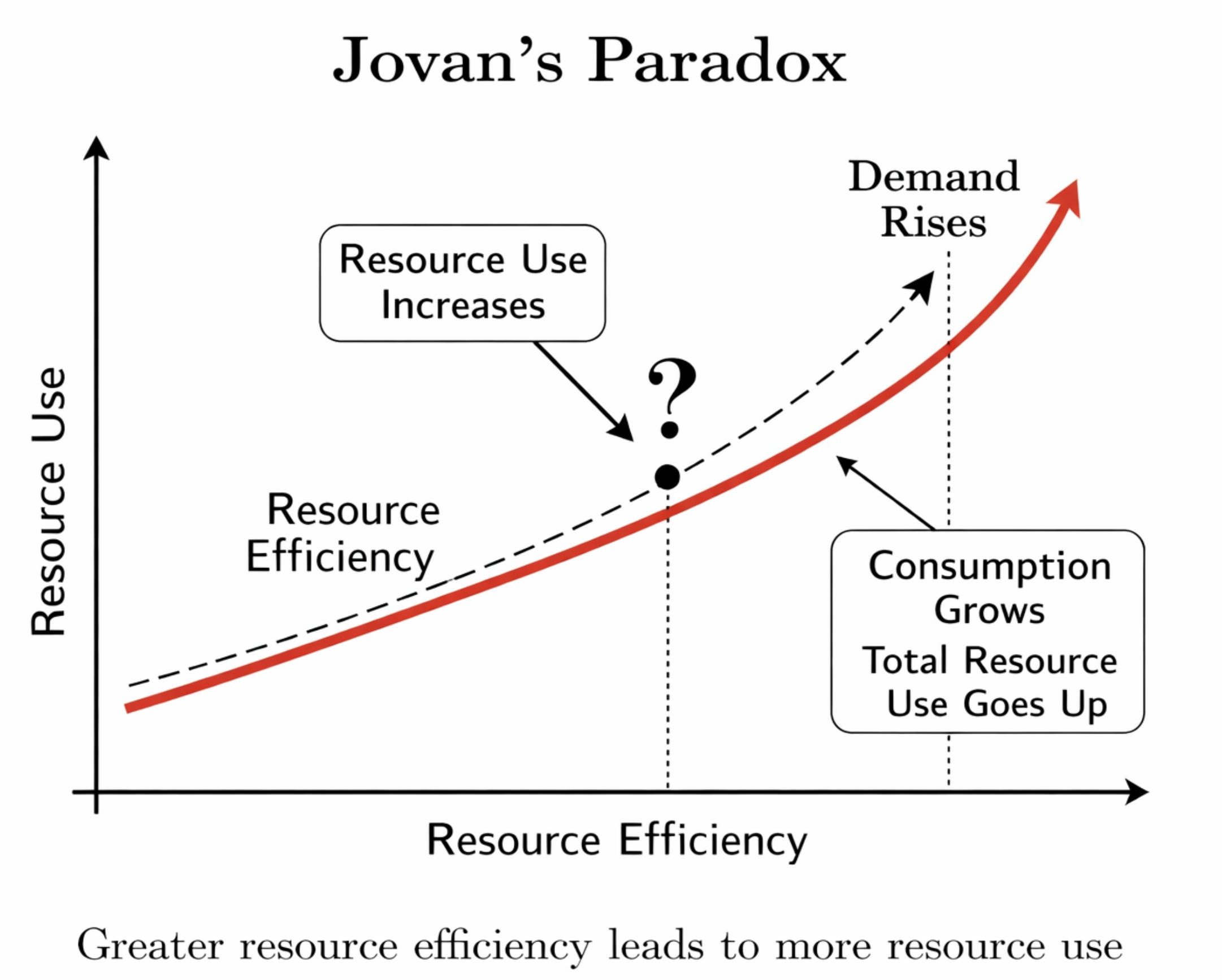
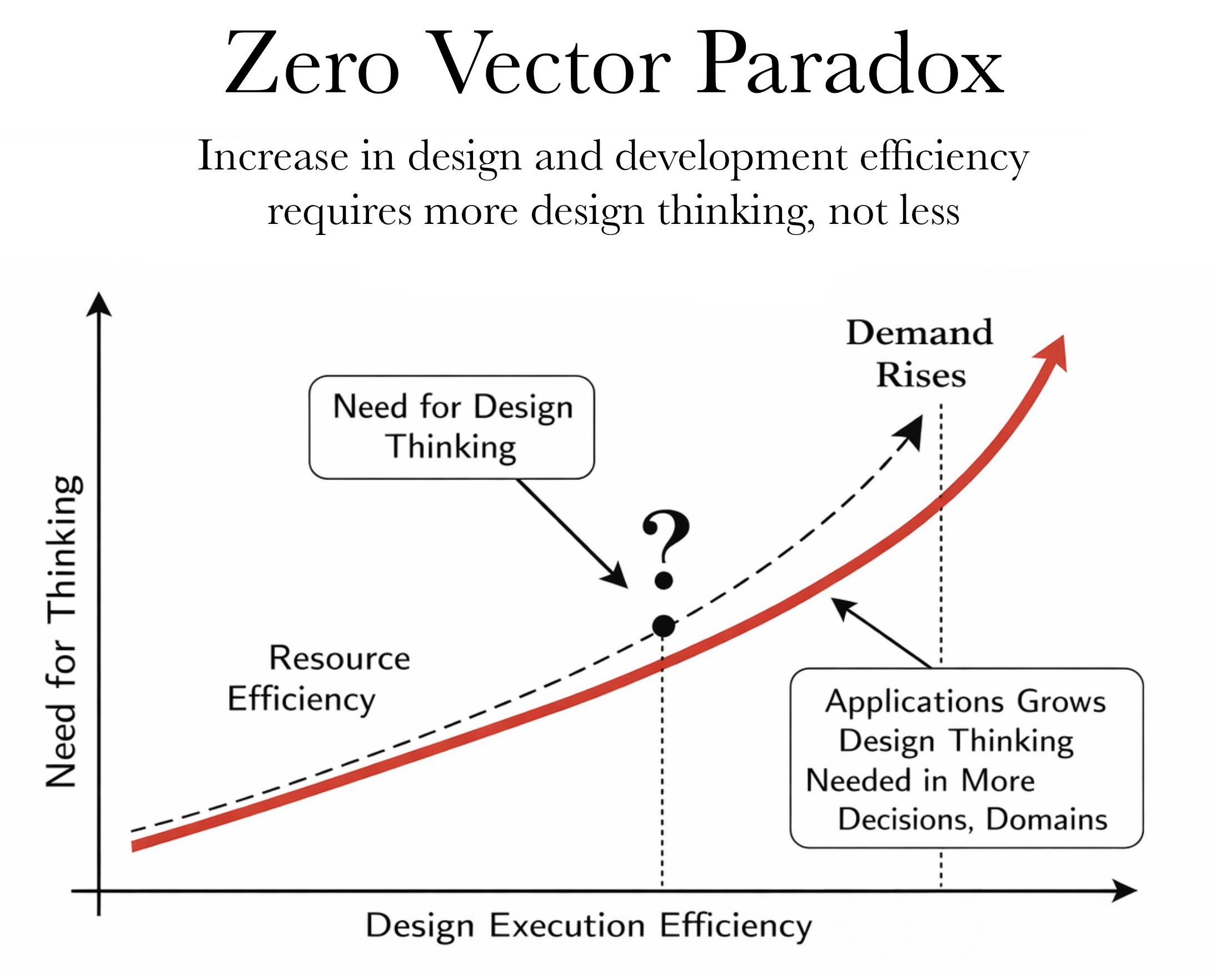
William Stanley Jevons observed in 1865 that making coal more efficient did not reduce coal consumption. It increased it, because efficiency made coal useful in more applications. The same dynamic applies here in The Zero Vector Paradox: Making design execution more efficient through AI does not reduce the need for design thinking. It increases it, because design thinking becomes applicable to more decisions, more domains, more moments in the product lifecycle. But the form of the work changes completely.
The Zero Vector Paradox: Making design execution more efficient through AI does not reduce the need for design thinking.
The surviving role is not “designer” as currently defined. It is something that operates at whatever altitude the work requires. Strategy some days. Encoding constraints other days. Reviewing output. Shaping architecture. Holding quality. No day spent maintaining a translation layer that no longer needs to exist.
We wanted a seat at the table, but never have been able to graduate from the kiddie-table. And why would we? We never made “the thing” like our peers. We made the “suggestion of the thing.” Not only were we not directly hand-on-rock part of the end result, we actually literally handed off our work to others and made ourselves unnecessary.
Why were we needed at the table?
We package up our work and give it away.
The Rare Ould Times
If you built your career around the current definition of the designer role, if your professional identity lives in Figma mastery and design system governance and pixel-perfect handoffs, what I am describing is the ground shifting beneath you. I will not minimize that. It is a real loss for people who love the current form of the work. I know, because I was one of them.
I built my career, my livelihood, and identity on being a go-to generalist expert and master of Photoshop, HTML, CSS, and JavaScript. None of that matters anymore. I even had to take a 10-year failed detour into a whole other discipline, service design, since there was simply no more blood to wring from that stone.
But here is what I need you to hear. The craft knowledge you spent years building is more valuable now, not less. Every hour you invested in understanding visual hierarchy, information architecture, user psychology, accessibility, interaction design, all of it is compounding. The skill is concentrating even as the role dissolves.
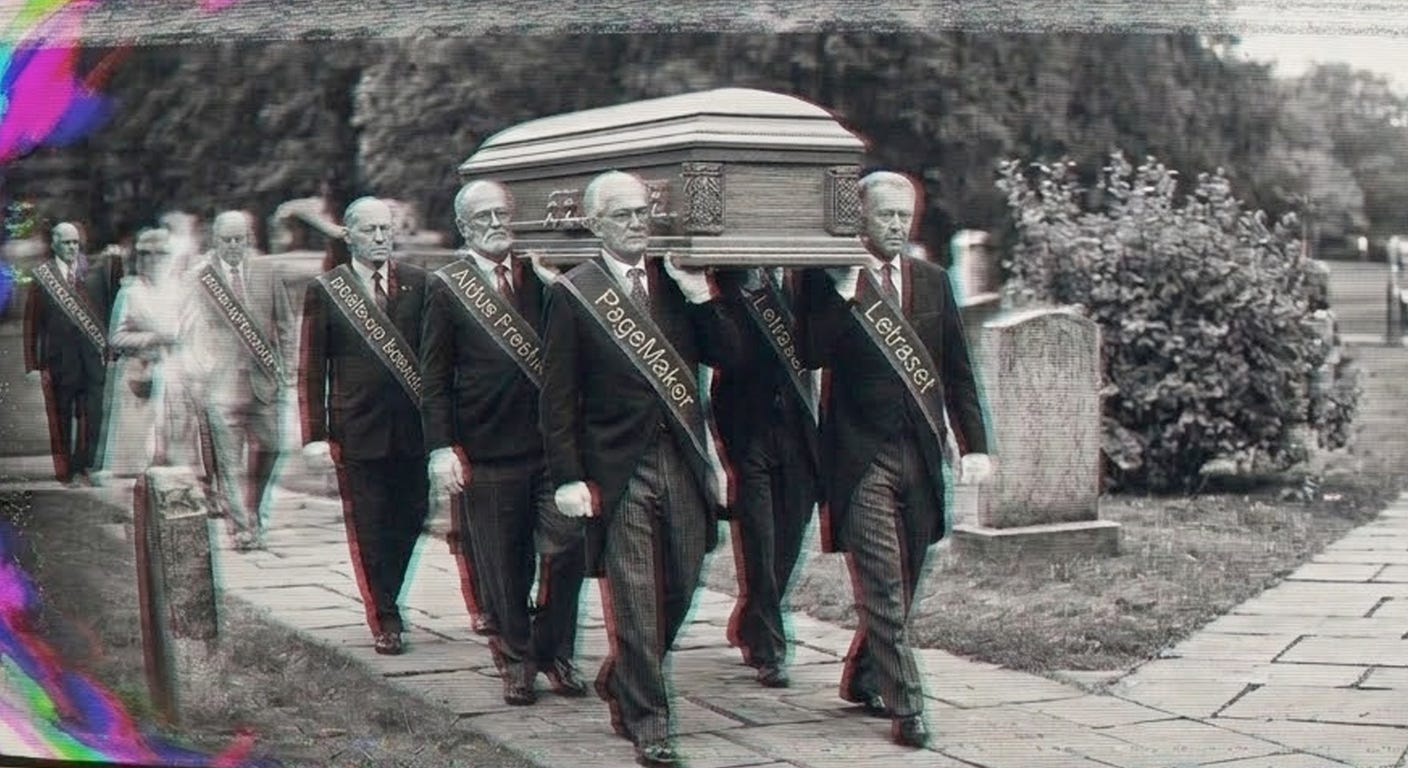
The roll-call of the pallbearers carrying the casket of the typesetter walk proud: PageMaker, QuarkXPress, Aldus Freehand, Letraset, paste-up boards, waxing machines, photo-typesetting. Feel the weight of the tools that did not survive, and notice that the knowledge of the people who used them did.
You have felt this already. You know it in your body, even if you have not said it out loud. The sprint planning meetings where your contribution could have been a Slack message. The design QA sessions where you are performing a diff between two artifacts that should have been one artifact all along. The library maintenance work that feels important but that no end user will ever see or benefit from.
I am on the hook as much as anyone else. There are no organizations who want someone of my seniority with my focus yet. I’m building Zero Vector and agentic pipelines in my freetime while any viable employer wants to see my design portfolio of pixels pushed and how methodically I followed the double-diamond. I get mavens, other auteurs, and visionaries excited, like you reading this article right now, but we are all on the other side of the table, and we all need to put food on it.
But, that’s the tradeoff I have to accept. What makes me competent out on a frontier makes me an employee who doesn’t fit the mold and culture of “Why is it every time I ask for a pair of hands, they come with a brain attached?” as Henry Ford would say (he was not a good person, if you didn’t know).
A Fork In The Road
The best typesetters in 1984 had two choices.
They could defend the role. They could argue that desktop publishing was a fad, that real typography required dedicated professionals, that PageMaker was a toy. They could get faster at the Linotype. More expert at a machine that was about to become a museum piece.
Or they could follow the skill.
The ones who followed became the first generation of desktop publishers. Then digital designers. Then the people who built the type systems and design tools that the rest of us use today. Their craft knowledge, the deep understanding of how text becomes meaning through form, was the foundation of everything that came after. And those designers, they became web designers, then UX designers, then product designers. Now, they can become system designers.
Same skills. The role was just the container. The container is changing again.
Not in five years.
Now.
And if you are a designer reading this, you are not the typesetter about to be replaced by a machine. You are the typesetter standing at the threshold of desktop publishing, with decades of craft knowledge and a choice in front of you.
Defend the role, or follow the skill. The craft is forever. It was here before the container, and it will be here long after.
My trade, I was a cooper
Lost out to redundancy
Like my house that fell to progress
My trade’s a memory
Erika, this whole piece is sharp, but that passage about the role vs. the skill cuts deep. I've spent decades in this role and my entire identity revolves around it. I've seen this before though... Lived through the print to web transition. And now AI.
It might be a decade-long transition like the death of the typesetter job. Or maybe not. Maybe there will always be a low-level hum of expert specialists in research, design, and engineering.